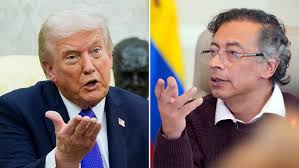
For Americans and Britons who have lived through decades of Cold War anxieties, Middle East interventions, and uneasy alliances, the sound of a U.S. president threatening a foreign nation still carries a familiar chill. That chill returned recently when Donald Trump, in a characteristically blunt interview, accused Colombia of flooding the United States with illegal drugs and warned its president to “watch out.” The implication was unmistakable. Force, or something close to it, was back on the table.
What many didn’t expect was how quickly, and how calmly, Colombia responded.
Within 24 hours, Gustavo Petro transformed Trump’s rhetoric from a threat into something bordering on a diplomatic embarrassment. And in doing so, he exposed a deeper truth about power, memory, and sovereignty—one that resonates strongly with older audiences in the US and UK who remember when words like “intervention” came at a terrible human cost.
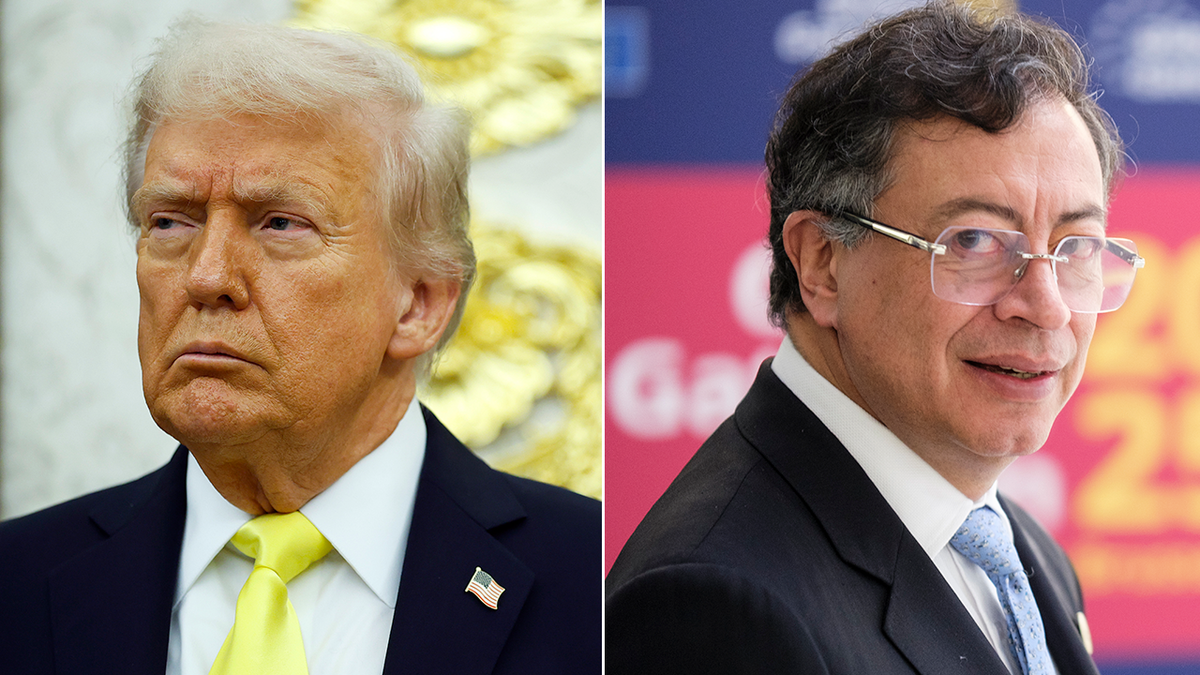
Trump’s accusation followed a familiar script. Drugs, borders, blame. To many American viewers, it sounded like a return to the 1980s and 1990s, when Latin America was routinely framed as both a menace and a battlefield. For Colombians, however, the words reopened scars left by decades of violence, foreign pressure, and internal conflict.
Petro’s first move was simple, but deeply symbolic. He rejected the accusation outright and reminded the world that Colombia’s drug tragedy was never a one-sided crime. It was fueled by demand, money, and geopolitics far beyond its borders. Then came the line that stunned commentators on both sides of the Atlantic: if foreign threats became reality, he said, he would be willing to take up arms again to defend Colombia’s sovereignty.
For a former guerrilla fighter turned elected president, that statement carried weight. It wasn’t bravado. It was history speaking.
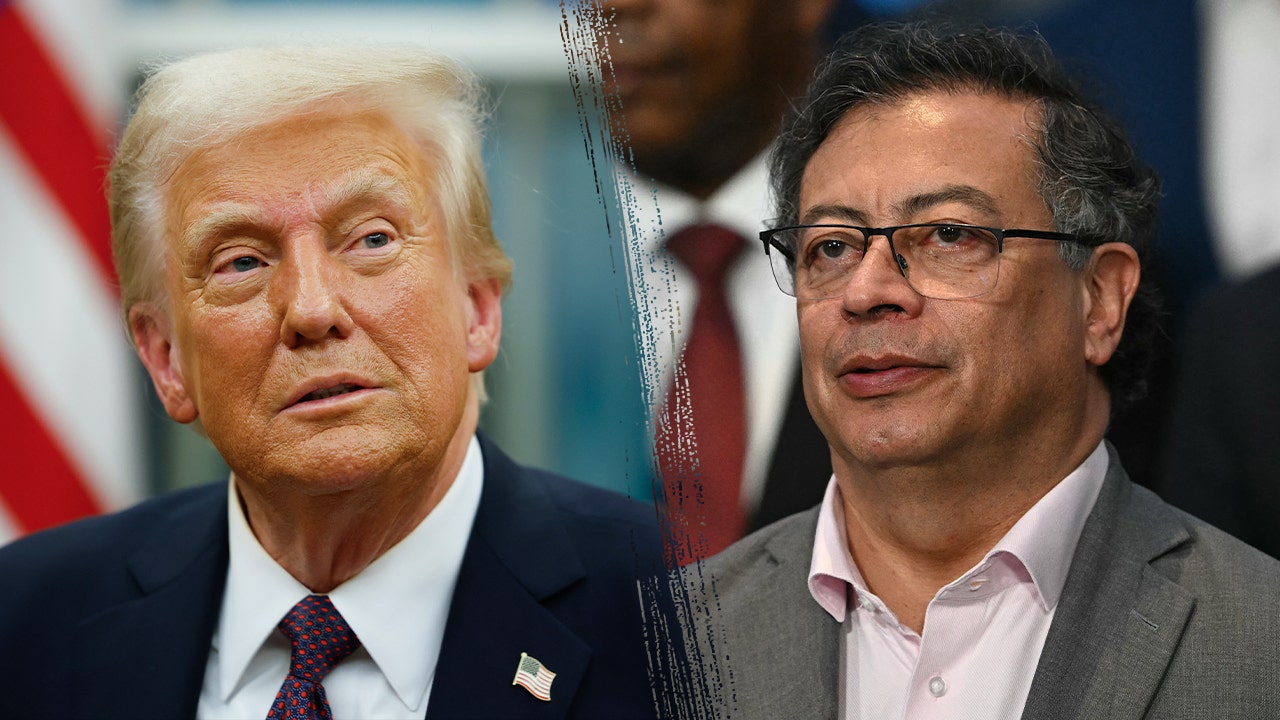
But Petro didn’t stop there. His second move shifted the stage entirely. Colombia joined with much of Latin America in issuing a joint declaration condemning unilateral military action and rejecting any intervention disguised as “law enforcement.” In one stroke, Trump’s remarks stopped being a bilateral spat and became an international issue.
For older readers in the US and UK, this moment feels hauntingly familiar. We’ve seen how quickly “warnings” become operations, how easily rhetoric hardens into policy. Vietnam, Iraq, Afghanistan—names that still echo with regret. Petro’s response tapped into that shared memory, reminding the world that sovereignty is not an abstract principle. It is lived, defended, and remembered by real people.
The third impact was quieter but perhaps the most devastating. Petro forced a comparison. While Trump relied on accusation and menace, Colombia responded with law, alliances, and collective voice. The contrast was stark. One side shouted. The other gathered support.
In Washington and London, where many in the 45–65 age group grew up believing in alliances, institutions, and the careful use of power, that contrast mattered. It raised an uncomfortable question: when did American leadership start sounding like a street argument instead of a strategy?
This wasn’t just about Colombia. It was about a world increasingly unwilling to accept the old playbook. Latin America, once fragmented and easily pressured, spoke together. International law, often ignored, was invoked with clarity. And a U.S. political figure known for dominating the conversation suddenly found himself reacting instead of leading.
Trump’s remarks didn’t frighten Colombia into silence. They unified it—and others—into resistance.
For readers who remember watching the Berlin Wall fall, who lived through the uneasy hope of post-Cold War cooperation, this episode is a sobering reminder. Power without restraint invites defiance. Threats without legitimacy dissolve into noise.
In the end, Petro didn’t need missiles, sanctions, or dramatic gestures. He used memory, solidarity, and timing. Trump’s words, meant to intimidate, became a footnote in a larger story about a changing world—one where even the loudest voices can be rendered ineffective when history, law, and collective will stand in the way.
And that, perhaps, is why this moment lingers. It forces us to ask not who shouted the loudest, but who understood the moment best