For Americans and Britons aged 45–65 who have lived through inflation shocks, recessions, and market manias, the question isn’t academic. It’s deeply personal. Who controls the Federal Reserve controls mortgages, pensions, savings, and the fragile sense of economic security built over decades.
If Donald Trump returns to the White House, the choice of the next Federal Reserve chairman may become one of the most emotionally charged economic decisions of our time.
This won’t simply be a technocratic appointment. It will be a statement of power, philosophy, and revenge against institutions Trump believes restrained him during his first term.
Three names loom large.
Each represents a radically different future for the American economy.
Kevin Warsh: The Insider Who Knows the System — and Its Weaknesses

Kevin Warsh feels familiar to older investors — and that’s exactly his strength.
A former Federal Reserve governor during the 2008 financial crisis, Warsh understands the machinery of central banking from the inside. He speaks Wall Street’s language fluently, and markets listen when he talks.
But Warsh is not a conventional Fed loyalist.
He has repeatedly criticized the central bank’s opacity, arguing that excessive secrecy breeds instability and mistrust. He believes the Fed misdiagnosed inflation, waited too long, and paid the price with economic pain felt most by retirees and middle-class savers.
For Trump, Warsh offers something powerful: credibility without submission.
He reassures markets while still allowing Trump to argue that the Fed needs reform — not worship. His New York social connections also place him within Trump’s cultural orbit, not just Washington’s elite bubble.
To many older Americans, Warsh represents controlled disruption — change without chaos.
Kevin Hassett: The Loyal Architect of Trump’s Economic Worldview
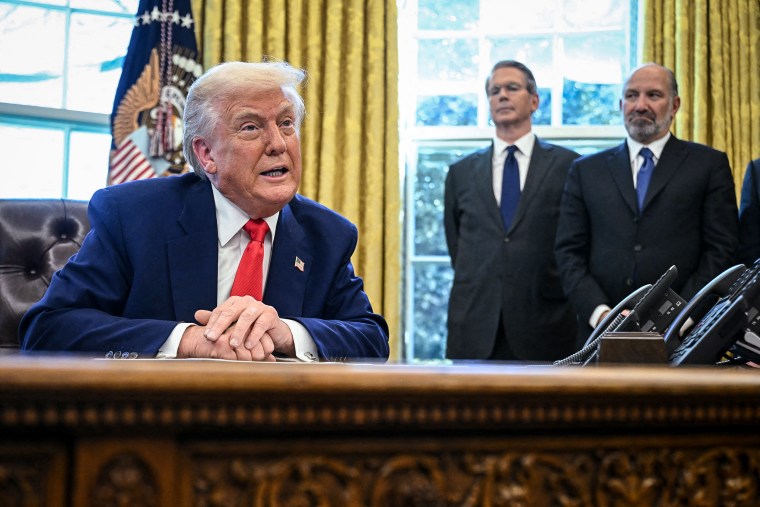
Kevin Hassett is not just an economist. He is a believer.
As a central architect of Trump’s 2017 tax reforms, Hassett understands Trump’s economic instincts at a philosophical level. He doesn’t flinch when tariffs are mentioned. He doesn’t recoil from tax cuts during uncertainty.
Instead, he searches for models that justify them.
Unlike traditional economists who dismiss tariffs as outdated, Hassett finds theoretical frameworks that support Trump’s nationalist economic agenda. He views growth, not orthodoxy, as the ultimate moral goal of policy.
For Trump, Hassett offers something deeply personal: intellectual loyalty.
For older voters who watched globalization hollow out manufacturing towns and pensions, Hassett’s appeal lies in his willingness to challenge academic consensus. He represents a Fed chairman who wouldn’t undermine the president publicly — or privately.
Yet critics worry this closeness could blur the line between central banking and politics, a boundary fiercely guarded since the 1970s.
Judy Shelton: The Revolutionary Who Would Break the Fed As We Know It

If Warsh is reform and Hassett is alignment, Judy Shelton is rupture.
Shelton has long argued that interest rates should be dramatically lower — even permanently suppressed. She openly questions whether the Federal Reserve should operate independently at all.
These views resonate powerfully with Trump, who has repeatedly demanded the lowest interest rates in the world and expressed open hostility toward Fed autonomy.
For retirees burdened by inflation, Shelton’s critics fear reckless monetary experimentation. But for debt-heavy households, governments, and growth-first advocates, her vision feels almost seductive.
Shelton doesn’t just want to steer the Fed.
She wants to redefine it.
Appointing her would send shockwaves through global markets and signal Trump’s willingness to challenge the post-World War II economic order — openly and unapologetically.
The Deeper Truth: This Choice Is About Control, Not Credentials
For Trump, the Federal Reserve has never been neutral.
It is an institution he believes constrained his presidency, raised rates against his wishes, and symbolized elite resistance. His next appointment will reflect not just policy goals, but unresolved conflict.
Warsh offers credibility with reform.
Hassett offers loyalty with theory.
Shelton offers revolution with risk.
For Americans and Britons who remember stagflation, Black Monday, and the 2008 collapse, this decision carries emotional weight. It will shape interest rates, markets, and trust in institutions for years — perhaps decades.
And when the announcement finally comes, it won’t just move markets.
It will move history.